Peony Legend
Introduction
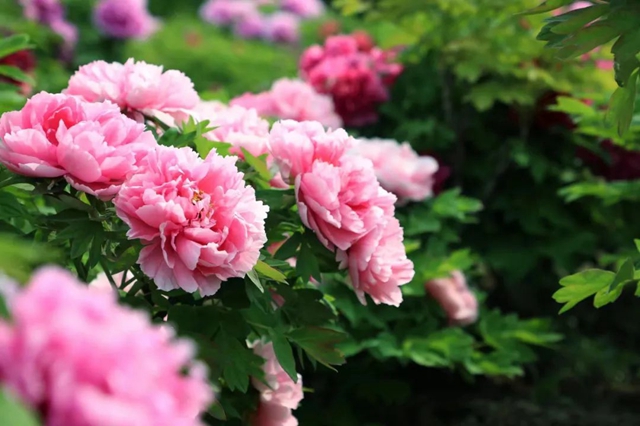
The Peony Legend is a renowned piece of folklore originating from the Mudan district of Heze city, Shandong province, China. It was officially recognized as a national intangible cultural heritage in 2011, as part of the third batch of entries in the National Intangible Cultural Heritage List. The legend encompasses a rich tapestry of stories, including character tales, place-name origins, variety legends, and customs related to the peony flower. Heze, historically known as Caozhou, is celebrated for its peonies, often referred to as Caozhou Peonies. These stories have been passed down through generations, becoming a cherished part of local culture since the Sui Dynasty (581-618), when tales such as The Towering Peony began to circulate widely.
Background
The Peony Legend has deep historical roots in Heze, which was historically called Caozhou. The region's association with peonies dates back to the Sui Dynasty, when a renowned horticulturist, Qi Luhuan, cultivated a peony flower that grew taller than a tower for Emperor Yang of Sui. This event gave rise to the story of The Towering Peony. During the Tang Dynasty (618-907), Xu Maogong (also known as Li Ji), a founding general of the dynasty, brought peonies from the imperial garden in Chang'an back to his hometown in Caozhou, inspiring the tale of Li Ji and the Peony. Over time, Caozhou earned the reputation of having the finest peonies in the country, with every village cultivating gardens and every household nurturing peonies.
The Peony Legend includes over 200 captivating stories, such as those recorded in Strange Tales from a Chinese Studio by Qing Dynasty (1644-1911) author Pu Songling. These stories include The Tale of Gejin, Grain Rain and the Peony Fairy, and The Green Dragon Lying in the Ink Pool. The themes of these legends often revolve around the pursuit of freedom, the celebration of love, and the reverence for life. They resonate deeply with audiences through their vivid characters, intriguing plots, and simple yet engaging storytelling.
Plot Summary
Main Storyline
The Peony Legend is a collection of interconnected tales that explore the origins, symbolism, and cultural significance of the peony flower. These stories often feature emperors, scholars, maidens, flower gods, and fairies, blending elements of romance, mythology, and folklore. One of the earliest legends, The Towering Peony, recounts how Qi Luhuan cultivated a magnificent peony for Emperor Yang of Sui, symbolizing the flower's association with beauty and grandeur.
Another prominent tale, Li Ji and the Peony, tells the story of Xu Maogong, who brought peonies from the imperial garden in Chang'an to his hometown in Caozhou. This act not only popularized the cultivation of peonies in the region but also inspired a legacy of storytelling centered on the flower.
The legend of Yao Huang and Wei Zi is another notable story. Set during the Song Dynasty (960-1279), it narrates the love story of a poor boy named Huang Xi and the peony fairy Zigu. Their love defied societal norms, and when faced with separation, they leapt into a mountain spring, transforming into two peony plants. These plants were later transplanted to the Yao and Wei family gardens, giving rise to the famous peony varieties Yao Huang and Wei Zi.
Key Characters
The Peony Legend features a diverse cast of characters, including:
Qi Luhuan: A skilled horticulturist from the Sui Dynasty who cultivated the legendary Towering Peony.
Xu Maogong (Li Ji): A Tang Dynasty general who introduced peonies to Caozhou, inspiring the tale of Li Ji and the Peony.
Huang Xi and Zigu: The protagonists of the Yao Huang and Wei Zi legend, whose love story embodies themes of devotion and transformation.
Flower Gods and Fairies: Mythical beings who often appear in the legends, symbolizing the spiritual and cultural significance of peonies.
Cultural Significance
Symbolism of Peony
The peony, often referred to as the king of flowers, holds a special place in Chinese culture. It symbolizes wealth, honor, and prosperity, making it a popular motif in art, literature, and celebrations. The Peony Legend reflects these values, portraying the flower as a source of inspiration, beauty, and resilience.
The stories also highlight the peony's role in fostering a sense of community and cultural identity. From emperors to commoners, people from all walks of life are depicted as cherishing the flower, illustrating its universal appeal and enduring legacy.
Influence on Art and Literature
The Peony Legend has profoundly influenced Chinese art and literature. Paintings, poems, and operas often draw inspiration from the tales, celebrating the flower's beauty and the themes of love and transformation. Qing Dynasty author Pu Songling's Strange Tales from a Chinese Studio includes several stories inspired by the Peony Legend, showcasing its impact on literary traditions.
Artists and writers have also used the peony as a metaphor for human emotions and experiences, enriching the cultural tapestry of China. The legends continue to inspire contemporary works, bridging the past and present through their timeless themes.
Adaptations
Film and Television
The Peony Legend has been adapted into various film and television productions, bringing its stories to a wider audience. These adaptations often blend traditional storytelling with modern cinematic techniques, capturing the essence of the legends while appealing to contemporary viewers.
Stage Performances
Theatrical adaptations of the Peony Legend are a popular form of cultural expression. Traditional Chinese opera, dance performances, and modern stage plays have brought the tales to life, showcasing their dramatic and emotional depth. These performances often incorporate elaborate costumes, music, and choreography, highlighting the artistic and cultural significance of the legends. Photo Gallery(20 pictures)CategoriesLiteratureTagChinese Folk LiteratureIntangible Cultural HeritageCatalogue1. Introduction2. Background3. Plot Summary4. Cultural Significance5. Adaptations- - - []








